Book now to get vouchers worth up to RM99! Limited time only!




If you're moving into a new home, vinyl flooring installation is usually finished before you carry a single box through the door. Vinyl handles daily wear, water, and heavy foot traffic better than most budget flooring options, it installs fast enough to fit into a tight renovation window, and it survives a house move without the scratches and dents that hardwood or laminate pick up from furniture and moving trolleys.
That said, getting a good result isn't just about picking vinyl over tiles or laminate. It's about timing the installation correctly against your move date, and protecting the floor properly once the movers start bringing furniture in. Get either of those wrong and you'll be looking at repair costs before you've even unpacked.
What Makes Vinyl Flooring a Good Fit for a New Home?
Vinyl flooring works well for new homes because it's water-resistant, quick to install, and forgiving during a move. Unlike hardwood, it won't warp from humidity or the occasional spill. Unlike tiles, it doesn't crack under the weight of a dropped appliance. And unlike laminate, it can handle a damp mop without swelling at the seams.
For homeowners moving into a freshly renovated unit, this matters more than it sounds. A new home move usually means furniture, boxes, and moving equipment crossing the same floor repeatedly over a day or two. Vinyl is one of the few flooring types built to take that kind of traffic on day one without needing a "settling in" period.
What Are the Real Benefits of Vinyl Flooring Installation?
The benefits go beyond "it's cheaper than tiles." Here's what actually matters for someone moving into a new place:
It Handles Water and Humidity Without Warping
Malaysian weather means humidity, the occasional leak, and kids or pets tracking in water. Vinyl is naturally water-resistant, and click-lock or SPC (stone plastic composite) vinyl in particular seals well enough to handle minor spills without the swelling you'd get with laminate or engineered wood.
Installation Is Fast
Click-lock vinyl planks can usually be installed in a room within a day, sometimes faster than tiling, which needs curing time before it's safe to walk on. If you're working against a moving deadline, this is often the difference between having a finished floor on move-in day and moving your furniture onto bare cement.
It's More Forgiving During the Move Itself
Furniture legs, moving trolleys, and dropped boxes are part of every house move. Vinyl has enough give to absorb minor impacts that would chip tiles or dent softwood. It's not indestructible, but it's noticeably more tolerant of a chaotic moving day than most alternatives.
Maintenance Is Low
No sealing, no polishing, no special cleaning products. A regular sweep and occasional damp mop is enough to keep vinyl looking good, which matters when you're already juggling unpacking, setting up utilities, and settling into a new neighbourhood.
It's Comfortable Underfoot
Vinyl has more cushioning than tile or stone, which makes a real difference in a home with young children, elderly parents, or anyone who spends a lot of time standing in the kitchen.
Worth knowing: not all vinyl is the same. SPC vinyl is more rigid and water-resistant, better for kitchens and areas near entrances. WPC (wood plastic composite) vinyl is softer underfoot and quieter, often preferred for bedrooms and living rooms. Your installer should be able to tell you which makes sense per room, not just for the whole house.
When Should You Install Vinyl Flooring Before Moving In?
The short answer: before any furniture arrives, and ideally before final cleaning. Vinyl installation is one of the last major renovation steps before move-in, sitting after painting and electrical work, but before furniture delivery.
If you install vinyl too early, before painting is finished, you risk paint drips and dust settling into the seams. If you leave it too late, you end up moving heavy furniture over exposed subfloor, which is its own headache, or worse, trying to install flooring around furniture that's already in the room.
A practical sequence looks like this:
- Structural and electrical work completed
- Walls painted and fully dried
- Vinyl flooring installed
- Final deep clean
- Furniture and boxes moved in
If your renovation and your moving date are close together, it's worth confirming with your flooring installer exactly how many days they need, including any curing or acclimatisation time the vinyl requires before it's safe to walk on with full loads.
How Do You Protect New Vinyl Flooring During a House Move?
New vinyl flooring is more resilient than tiles, but it's not scratch-proof. Moving day is when it's most vulnerable, before it's had a chance to cure fully and before you've settled on furniture placement. A few precautions make a real difference:
- Use furniture sliders or moving blankets under legs of sofas, cabinets, and beds instead of dragging them across the floor.
- Lay down protective sheeting or cardboard along the main path movers will use, from the front door to each room.
- Ask your movers in advance whether they carry floor protection as standard, some do, some don't. It's worth confirming before moving day rather than finding out mid-move.
- Avoid dragging boxes even lightweight ones. Corners and edges of cardboard boxes are a common source of surface scratches on new vinyl.
- Keep heavy appliances on trolleys rather than sliding them, especially fridges and washing machines, which are heavy enough to gouge vinyl even through padding if dragged.
This is one of the more overlooked reasons to book movers who are used to working with newly renovated homes. A moving crew that treats a new vinyl floor the same way they'd treat old tiles is more likely to leave marks you'll notice for years.
What Mistakes Do Homeowners Make When Moving Onto New Vinyl Floors?
A few patterns come up again and again with new home moves:
Moving In Too Soon After Installation
Some vinyl products need a short period after installation before they're ready for heavy loads, particularly glue-down vinyl. Moving furniture in immediately can shift planks before the adhesive fully sets. Check with your installer on the recommended wait time.
Not Briefing the Moving Crew
If your movers don't know the flooring is brand new, they'll treat it like any other floor. A quick heads-up before the move, and pointing out any particularly delicate areas, costs nothing and prevents avoidable damage.
Skipping Protection on "Just One Trip"
Most damage doesn't happen during the big, careful moves. It happens on the quick trip nobody thought needed protection, carrying in the last few boxes, or repositioning a sofa after everything else is already in place.
Choosing Furniture Placement Before Confirming the Floor Plan
Heavy furniture that gets moved and repositioned multiple times puts more wear on vinyl than furniture placed once and left. Deciding on your layout before moving day, even roughly, reduces how much dragging and repositioning happens on the actual floor.
How Should You Plan Furniture Placement on Vinyl Flooring?
Good furniture placement protects your floor and saves you from re-doing the move later. A few practical habits:
- Use felt pads on the base of chair and table legs, especially in dining areas and home offices where chairs get pushed and pulled daily.
- Avoid placing very heavy furniture directly on seams where vinyl planks meet, since seams are the weakest point structurally.
- Rotate rugs or mats under rolling office chairs or in high-traffic zones to spread out wear.
- Give large furniture a final position early rather than shifting a wardrobe or bookshelf multiple times over the following weeks.
None of this is complicated, but it's easy to skip when you're focused on getting everything into the house and unpacked. A little planning on placement before moving day saves you from noticing scuff marks a month later.
Frequently Asked Questions
Is vinyl flooring durable enough for a house move?
Yes. Vinyl is more resistant to impact and scratching than tiles or laminate, which makes it well-suited to the wear and tear of moving day. It's still worth using furniture sliders and floor protection for heavy items, since vinyl can be scratched or dented under enough pressure.
Should vinyl flooring be installed before or after moving furniture in?
Before. Vinyl should be one of the last renovation steps completed before move-in, after painting and electrical work but before any furniture or boxes arrive. Installing around existing furniture is slower, more expensive, and often produces a lower-quality result.
How long should you wait to move furniture in after vinyl installation?
This depends on the type of vinyl and installation method used, click-lock vinyl is generally ready sooner than glue-down vinyl. Check the recommended wait time with your installer, since moving heavy loads in too early can shift planks before they've fully settled.
Can movers damage new vinyl flooring?
They can, mainly through dragging furniture or dropped boxes with sharp edges. This is largely preventable by using furniture sliders, laying protective sheeting along main walking paths, and briefing your moving crew that the flooring is new before they start.
What type of vinyl flooring is best for a new home?
It depends on the room. SPC vinyl is more rigid and water-resistant, which suits kitchens, entrances, and high-traffic areas. WPC vinyl is softer underfoot and quieter, often preferred for bedrooms and living rooms. Many homeowners mix both across different rooms.
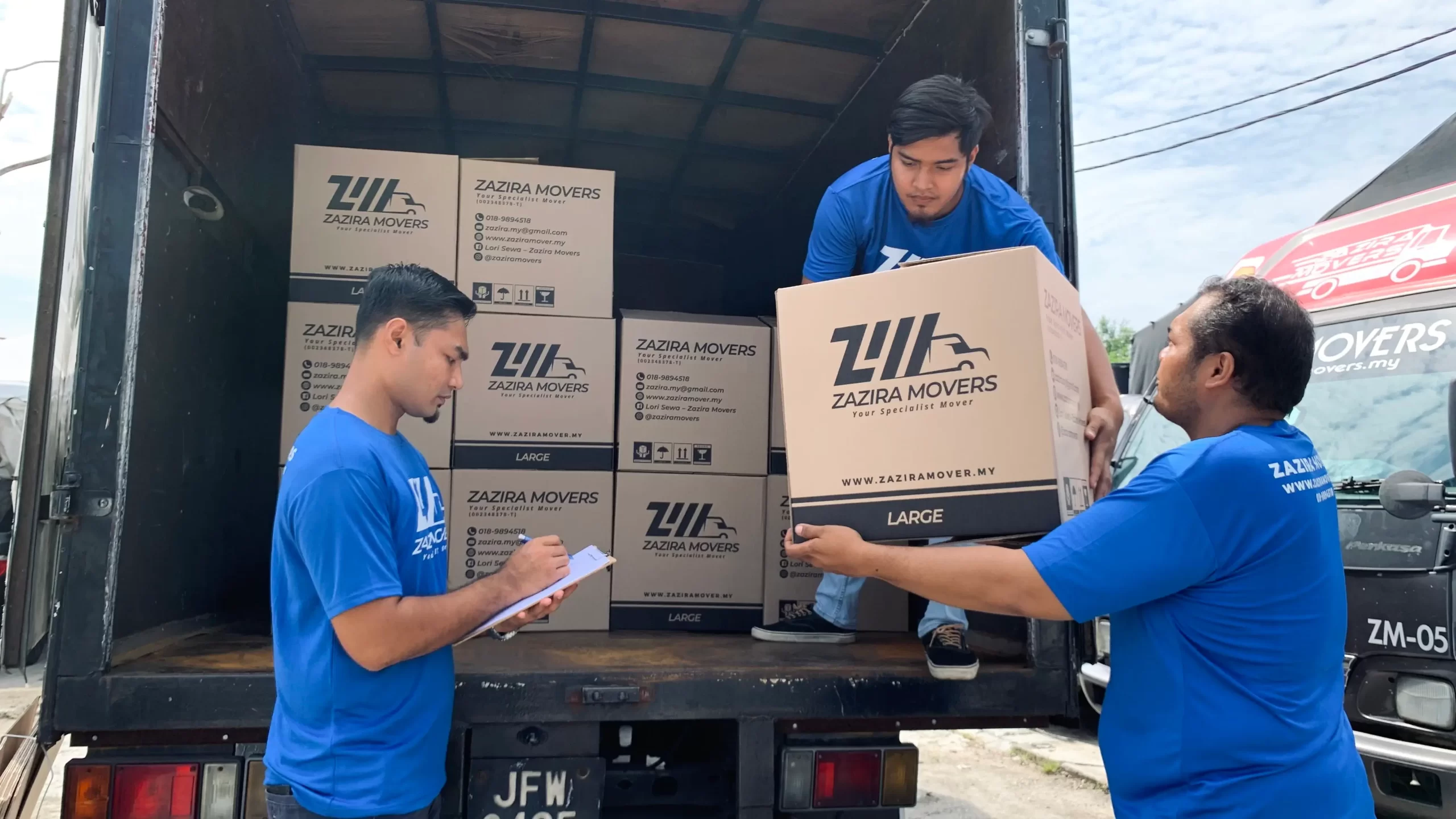
Moving into a home with new flooring? Zazira Movers handles house moves with care around freshly renovated floors, using proper equipment and floor protection so your vinyl arrives in the same condition it was installed in.
Book Your MoveTags