Book now to get vouchers worth up to RM99! Limited time only!




What Should You Check Before Moving Into a New House?
Before moving furniture, refrigerators, washing machines and other appliances into a new property, carry out a basic visual review of the electrical setup. Check the condition and position of sockets, switches, light points, appliance connections and the distribution board. If you see exposed wiring, heat marks, a burning smell, repeated tripping or a damaged fitting, stop using the affected point and arrange an assessment by a suitably qualified electrical professional.
Short answer: A home electrical inspection in Malaysia should cover visible sockets and switches, the distribution board, major appliance points, warning signs and the practical location of furniture. Homeowners can record visible issues, but electrical testing, rewiring, alterations and repairs should be handled by the appropriate registered contractor or competent person.
This check is useful for a newly handed-over property, a subsale house, a renovated home or a rental property that has been vacant for some time. It does not replace a formal electrical inspection. Instead, it helps you identify what needs attention before access becomes difficult and before a moving team places large items in front of walls, sockets or electrical panels.
Why Inspect the Electrical Setup Before Furniture Arrives?
Electrical issues are easier to notice when rooms are still empty. Once a wardrobe covers a wall socket or a refrigerator blocks access to a power point, checking the area becomes more difficult. Furniture can also make it harder for an electrician to reach a socket, trace a visible issue or work without moving several heavy items first.
An early check also helps separate three different tasks that are often confused:
- Visual handover checking: recording visible defects, loose fittings, damaged covers or missing labels.
- Electrical assessment: testing or evaluating the installation through an appropriate professional.
- Moving and placement: bringing large furniture and appliances into the rooms where they will be used.
Keeping these tasks separate prevents a common mistake: asking a mover to solve an electrical problem or asking an electrician to work around furniture that has already filled the room. A moving company can help with physical handling, but it should not be treated as a substitute for electrical inspection or repair.

How Can You Carry Out a Safe Visual Walk-Through?
Start with the electricity switched on only if the property is in a normal, safe condition and there are no obvious hazards. Do not remove socket covers, open the distribution board or touch exposed conductors. Use your phone to photograph each room, then record anything that needs clarification from the developer, landlord, seller or electrical contractor.
Check sockets and switches
Look for cracked covers, loose faceplates, gaps around fittings, signs of movement or sockets that sit unusually far out from the wall. Check that switches are mounted neatly and that there are no visible wires outside the fitting. A fitting that feels hot, smells burnt or shows discolouration should not be treated as a cosmetic issue.
Also note the position of each point. A socket hidden behind a future wardrobe may technically exist but may not be convenient for daily use. A television point placed too low or a kitchen socket positioned behind a cabinet may require changes before the room is furnished.
Check light points and visible fixtures
Confirm that light switches correspond to the expected areas and that exposed ceiling wires are not left in a condition that could be damaged during moving. If light fittings are not yet installed, ask who is responsible for completing the work and whether the point is ready for a qualified installer.
Look for signs of moisture near electrical fittings
Water stains, damp walls, leaking ceilings or wet areas close to electrical points deserve attention. Do not assume that a recently painted wall has resolved the underlying issue. Moisture and electricity require professional assessment, particularly around kitchens, bathrooms, outdoor points, water heaters and air-conditioning installations.
Safety boundary: A visual walk-through is not a DIY rewiring exercise. Do not insert tools into sockets, remove covers, join wires, bypass a breaker or open a distribution board to “see what is inside”. If there is exposed wiring, smoke, sparking, a burning smell or water around a live fitting, keep people away and contact the appropriate electrical professional.
Which Warning Signs Need Professional Attention?
Some signs are more important than a loose screw or an unlabelled switch. They may indicate a fault, damaged fitting, poor installation or a problem that cannot be judged safely from the outside.
- A socket or switch is hot, scorched, cracked or visibly melted.
- You notice a burning smell near a wall point, appliance or distribution board.
- Sparks appear during normal use.
- The power trips repeatedly when one particular appliance or circuit is used.
- There are exposed, loose or damaged wires.
- A fitting is close to a wet area and its condition is unclear.
- There are signs of water entry, condensation or dampness around electrical points.
- The distribution board is damaged, inaccessible or not labelled clearly enough to identify circuits.
- An appliance has been exposed to flooding, heavy water or a serious impact.
TNB’s residential safety guidance advises consumers not to touch live wires, not to use damaged or water-exposed appliances and not to add extra wiring themselves. If an earth-leakage protective device trips and cannot safely be switched back on, TNB advises arranging an inspection by a registered contractor. You can read the current guidance on TNB residential electrical safety.
What Should You Look At Around the Distribution Board?
The distribution board, sometimes called the DB or consumer unit, is the central point where household circuits and protective devices are arranged. Homeowners should check its location, access and visible condition, but should not open it or handle the breakers as part of a DIY inspection.
Record the following observations:
- Is the board easy to reach, or will a wardrobe, cabinet or stored item block it?
- Are the circuit labels present and understandable?
- Does the cover appear intact and properly fitted?
- Are there signs of heat, burning, water or physical damage?
- Will the moving route or furniture placement make access difficult?

Do not assume that a labelled board proves the installation is suitable or that an unlabelled board is automatically unsafe. Those conclusions require a proper assessment. The practical point for a homeowner is simple: keep the board accessible and ask the appropriate professional to explain any unclear condition before the move.
How Should You Plan Electrical Points for Major Appliances?
Electrical planning should follow the way each room will actually be used. Make a simple room-by-room list before the movers arrive. Include the appliance, intended position, access route and whether the item requires a dedicated installation or professional connection.
Kitchen appliances
Refrigerators, freezers, microwaves, ovens, water dispensers and other kitchen appliances may require different positions and connection arrangements. Avoid placing a refrigerator where its door cannot open properly or where the power point becomes inaccessible. Leave enough space for ventilation and future servicing according to the appliance instructions.
Washing machines and dryers
Confirm the location of the water supply, drainage, floor condition and electrical point before moving the machine into place. A washing machine that arrives before the area is ready may need to be shifted again. That creates unnecessary lifting and can obstruct other work.
Televisions and home-office equipment
Plan the wall, viewing position, media equipment and socket arrangement together. For a home office, consider the computer, monitor, printer, router and charging devices rather than relying on one extension lead for every item. Keep cables away from walking routes and do not overload one power source.
Air conditioners and water heaters
These installations should be planned with the appropriate specialist and electrical contractor. The moving team can bring the appliance or equipment to the property, but installation, isolation, testing and connection should be handled by the relevant qualified professional.
Outdoor equipment and gate systems
Outdoor lights, pumps, autogate equipment and security systems can be affected by rain, drainage and access conditions. Make sure the moving route does not expose people to unfinished wiring, open conduits or temporary construction work.
Who Should Inspect or Alter House Wiring?
For new wiring, alterations, upgrades, rewiring or additional internal wiring, homeowners should engage an electrical contractor registered with Suruhanjaya Tenaga. The Energy Commission’s guidance explains that consumers planning these works should contact a registered electrical contractor for inspection and internal house wiring.
You can review the guidance on new wiring, alterations and internal house wiring. The official list of registered electrical contractors is available through ECOS registered electrical contractors.
Suruhanjaya Tenaga also provides information about Electrical Competent Persons. A homeowner does not need to diagnose the technical category personally, but should ask who will be responsible for the inspection or work and whether the person or contractor holds the relevant current registration or licence.
Ask for a clear explanation of:
- what will be visually inspected;
- what tests, if any, will be carried out;
- which issues require repair before moving in;
- which work is urgent and which can be planned later;
- what documentation or report will be provided;
- whether the contractor needs the property to be empty or accessible.
When Should the Electrical Check Happen in the Moving Timeline?
The best time depends on the property, but a practical sequence helps reduce rework.
- After receiving the keys: photograph the rooms, sockets, switches, light points and distribution board before furniture arrives.
- Before renovation: identify wiring changes, appliance locations and any new points that may be required.
- After electrical work: ask the responsible contractor to explain what was completed and whether the relevant testing has been carried out.
- Before booking the move: confirm that the main access route, floor protection and electrical work areas are ready.
- Before the moving team arrives: keep the DB, key sockets and appliance locations free from boxes or construction materials.
- On moving day: tell the moving team where heavy appliances should be placed and point out areas that must not be blocked.
Do not schedule a major wiring job at the same time as the arrival of a full load of furniture unless the contractor and moving team have agreed on a safe working sequence. Dust, drilling, ladders and loose materials can interfere with lifting and placement.
How Can Moving Assistance Help With Large Appliances?
Electrical inspection and physical moving are different services, but they often happen in the same home-preparation process. A refrigerator, washing machine, television or office appliance may be ready to move only after the receiving room and electrical position have been checked.
Before arranging transport, prepare:
- photos of the appliance and its current condition;
- approximate dimensions and weight if available;
- the pickup address and receiving address;
- the floor level, staircase and lift information;
- the doorway, corridor and gate access;
- the preferred placement area in the new home;
- any restrictions around building access or moving hours.
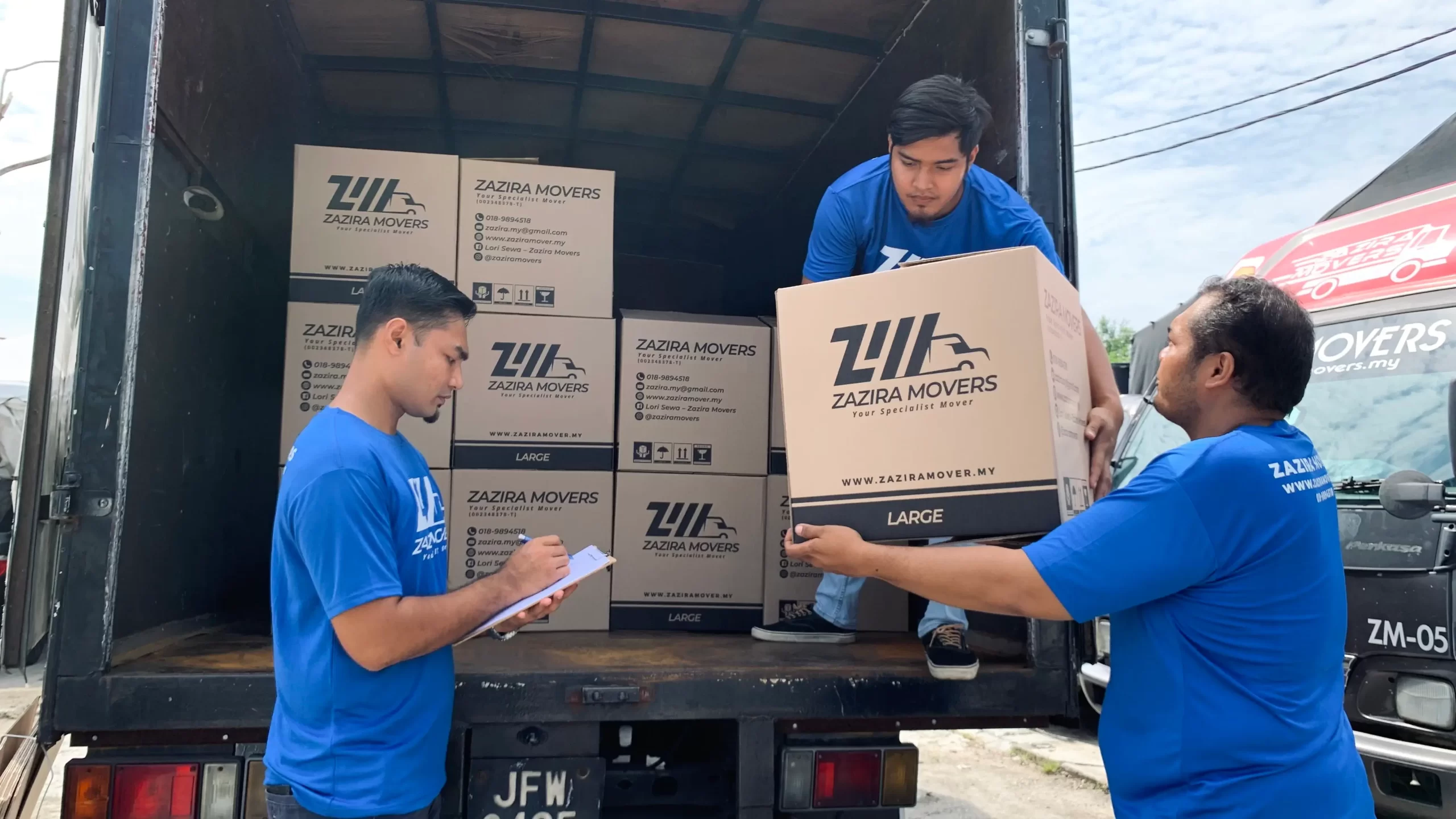
Zazira Movers provides moving assistance for large household appliances and house-move requirements in Peninsular Malaysia, subject to location and schedule availability. The mover’s role is physical handling and transport; it does not replace an electrical contractor’s inspection, wiring work or appliance installation.
For refrigerator-specific preparation, you can also refer to the guide on how to move a refrigerator safely. Confirm the appliance’s receiving position before the item is brought inside so that it does not need to be lifted or shifted repeatedly.
What Mistakes Should Homeowners Avoid?
Small planning mistakes can create unnecessary work after moving day. Avoid these common problems:
- Moving a wardrobe or cabinet in front of the distribution board.
- Assuming every socket is suitable for every high-load appliance.
- Using multiple extension leads because the original layout was not checked.
- Asking movers to disconnect or repair electrical wiring.
- Ignoring heat marks, burning smells or repeated trips because the house is newly renovated.
- Placing a refrigerator or washing machine before checking clearance and access.
- Leaving loose construction materials around light points and sockets.
- Booking appliance transport without explaining stairs, lifts or narrow doorways.
- Opening the DB to identify circuits without appropriate training.
- Starting electrical work after all furniture has already been placed.
Pre-Move Home Electrical Checklist
Save this list for your key-handover or pre-move walk-through:
- Photograph sockets, switches, light points and the distribution board.
- Record cracked, loose, discoloured or damaged fittings.
- Check for visible exposed wiring or unfinished electrical work.
- Look for signs of water, heat or burning near electrical points.
- Confirm that the distribution board can remain accessible.
- Map the intended position of the refrigerator, washing machine and other large appliances.
- Check that appliance doors, ventilation gaps and service access are not blocked.
- Plan television, router, desk and charging points before placing furniture.
- Ask a registered electrical contractor about any required wiring changes.
- Complete dusty or disruptive electrical work before furniture arrives where practical.
- Share appliance dimensions and access details with the moving provider.
- Keep key electrical areas clear on moving day.
Frequently Asked Questions
Is a visual check enough to confirm that house wiring is safe?
No. A visual check can identify obvious damage, poor access or warning signs, but it cannot confirm the condition of concealed wiring or the performance of protective devices. Arrange an assessment by the appropriate registered contractor when the property is old, altered, renovated or showing symptoms such as tripping, heat or burning smells.
Should a new house still have an electrical inspection?
A new house may have completed installation processes, but homeowners can still record visible defects and confirm that sockets, switches, light points and appliance positions match the handover information. If additional wiring or alterations are needed, use the appropriate registered electrical contractor.
Can movers install or repair sockets?
Movers should not be treated as electrical contractors. A moving team can handle physical transport and placement, while electrical installation, testing, repairs and rewiring should be discussed with the relevant qualified professional.
What should I do if the power trips repeatedly?
Stop using the affected appliance or circuit if it is safe to do so, and do not repeatedly force the breaker back on. Keep people away from any damaged fitting and arrange an assessment by a registered contractor. If there is smoke, a burning smell or visible damage, treat it as an urgent safety concern.
Should I move appliances in before checking their electrical points?
It is usually more practical to confirm the receiving position and visible electrical access first. This helps prevent repeated lifting and avoids placing a large appliance in front of a socket, distribution board or unfinished work area.
Electrical Checks Done? Plan Your Move Next
Once the electrical points and appliance locations are ready, you can plan the physical move with clearer information. If you need help transporting a refrigerator, washing machine, television, office equipment or other bulky items, share the item details, access conditions and intended placement when making your enquiry.
Discuss your moving requirements with Zazira Movers and confirm the details needed for your property and schedule.
Useful references: Suruhanjaya Tenaga information on Electrical Competent Persons, TNB residential electrical safety guidance and the Suruhanjaya Tenaga residential electrical wiring guideline.