Book now to get vouchers worth up to RM99! Limited time only!




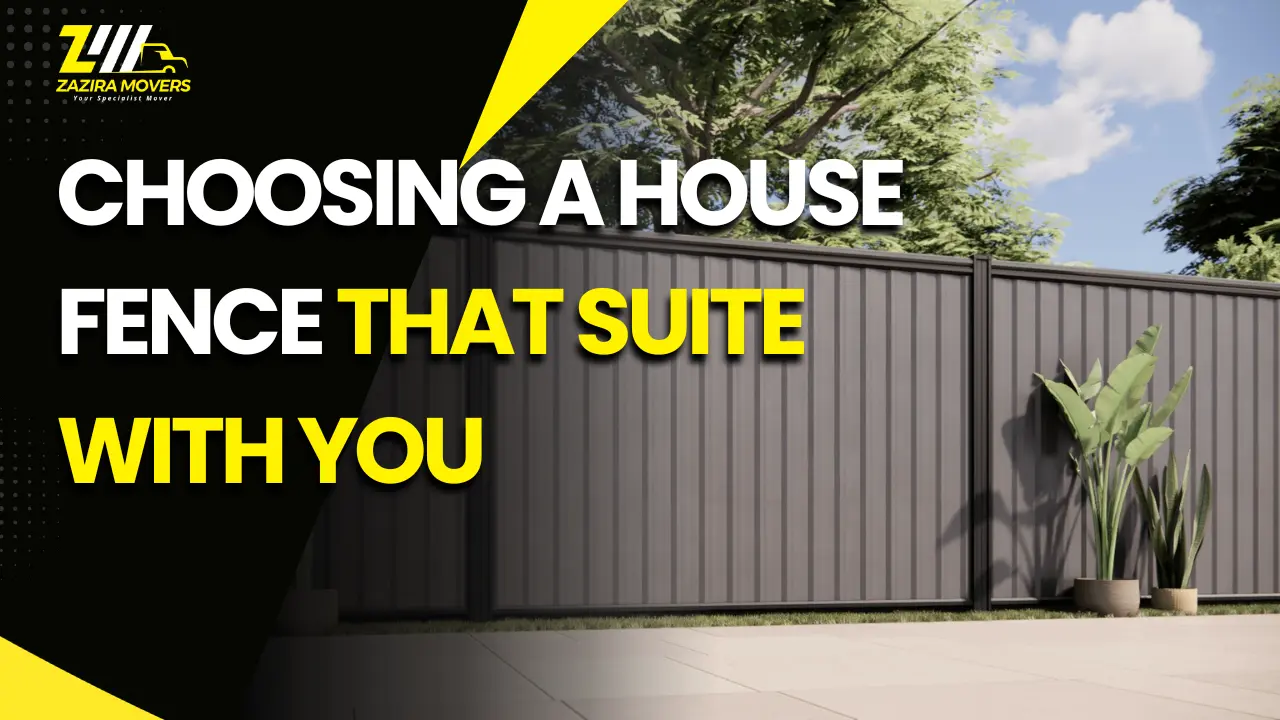
What makes a house fence suitable for a Malaysian home?
A suitable house fence in Malaysia should fit the way the property is used, not only the look of the frontage. Homeowners usually need to balance privacy, visibility, security, maintenance, weather exposure, driveway space and the type of gate that will be used every day.
A solid wall may give more privacy from a busy road, while an open steel or aluminium design may make a small frontage feel less enclosed. A sliding gate may suit one driveway layout, while a swing gate may work better where there is enough opening space. The practical choice depends on the home, its surrounding environment and the household’s daily routine.
The key point: do not choose a house fence based on appearance alone. Check the material, the level of privacy you need, the cleaning and maintenance you are comfortable with, the gate layout, pedestrian access and whether vehicles or a moving lorry can enter or stop safely near the house.
This matters especially for homeowners preparing a newly completed or renovated property. A fence can affect how easily furniture, appliances, cartons and larger household items reach the porch or front door on moving day. It is much easier to spot an access issue before the gate, driveway and exterior work are fully completed.
Why does fencing matter beyond the boundary line?
A house fence is a boundary feature, but it also affects the first few metres of everyday life at home. It influences how people enter the property, how vehicles use the driveway, how visible the porch is from outside and how easy it is to maintain the front area.
Security, privacy and visibility are different needs
Security, privacy and visibility are related, but they are not the same thing. A homeowner who wants more privacy may prefer a design with closer-spaced panels, masonry sections or a combination of wall and metal infill. Another household may prefer a more open fence because they want clearer sightlines from the house to the driveway or street.
Neither approach is automatically better. A very enclosed frontage can create privacy but may reduce airflow and outward visibility. A very open fence can feel lighter and make the frontage easier to see through, but it may not meet the household’s privacy preference. The right balance depends on the family, road exposure, property layout and surrounding homes.
Fencing also affects daily movement
The gate is used by cars, visitors, delivery personnel, contractors and, at certain times, a moving team. A design that looks proportionate from the road may still be inconvenient if the opening is awkward for the driveway, if a pedestrian has no separate access, or if parked cars make the gate difficult to operate.
Before confirming a fence concept, imagine ordinary situations: arriving home in the rain, bringing groceries through the gate, receiving a large appliance, allowing contractors into the porch, or moving a sofa into the house. Those situations often reveal practical needs that a façade drawing does not show.

Which house fence materials should homeowners compare?
There is no single best fence material for every Malaysian home. Material selection should consider the desired look, maintenance preference, exposure to sun and rain, privacy requirements, gate weight, construction details and the ability of the installer to fabricate and finish the selected design properly.
Steel and mild-steel fencing
Steel-based fencing is often considered when homeowners want a strong-looking metal design with flexible fabrication options. It can be used for vertical bars, horizontal lines, decorative patterns and matching gate frames. The final result, however, is not determined by the word “steel” alone. Design, welding work, surface preparation, coating and ongoing maintenance all matter.
For a steel fence, ask the installer how exposed surfaces will be finished, how joints and cut edges will be treated, and what care may be needed after installation. In a hot and wet climate, neglecting visible coating damage can allow a small issue to become more obvious over time. Homeowners should plan for inspection and touch-up where required instead of assuming every metal fence needs identical upkeep.
Galvanised steel and coated metal components
Some fence designs may use galvanised or coated metal components as part of the fabrication plan. These can be worth discussing where the property is exposed to rain, moisture or frequent washing. However, the appropriate specification depends on the design, site exposure and installation method. Ask the installer to explain what is being supplied instead of relying only on a broad material label.
It is also sensible to ask how modifications will be handled later. Cutting, drilling or welding after installation can affect a finished surface, so future changes should be considered before the fence and gate are completed.
Aluminium fencing
Aluminium may suit homeowners who prefer a lighter metal option and a clean, modern appearance. It is frequently considered for louvres, slatted panels and contemporary gate designs. Its suitability still depends on the frame design, hardware, panel layout and expected use of the gate.
Do not assume that a lighter material means every layout will be appropriate for every driveway. A wide gate, a frequently used gate or a gate combined with automation may require design and hardware decisions that should be confirmed with the installer. Material is one part of a functioning gate system; tracks, hinges, rollers, posts and clearances are equally practical considerations.
Masonry, brick and concrete boundaries
Masonry, brick or concrete elements may suit homeowners who want a more substantial boundary, greater visual separation from the road, or a base structure combined with metal panels. These options can create a solid frontage, but they need to work with drainage, driveway levels, gate posts and the overall layout of the property.
A fully solid boundary may offer a different level of privacy from an open metal fence, but it can also change airflow, visibility and the visual weight of the entrance. For renovation projects, discuss the finished levels of the porch, drains, paving and gate track area before finalising any wall or column work.
Timber, composite and mixed-material designs
Timber, wood-look composite panels or mixed-material designs may be considered for a warmer exterior style. They can be combined with metal frames, masonry pillars or concrete bases. The practical question is not whether a material looks attractive in a sample photo; it is whether the selected finish, fixing method and maintenance routine suit the home’s exposure and the owner’s expectations.
For any mixed-material fence, ask which surface will face direct weather, whether cleaning access is practical and whether replacement panels can be handled without rebuilding the whole frontage. These questions are more useful than choosing a design solely because it is currently popular.
Should privacy or openness come first?
Privacy should come first when the house faces a busy road, has a porch close to public view, or the household simply prefers a more screened frontage. Openness may be more suitable when visibility, ventilation and a lighter visual effect are priorities. Most homes need a practical balance rather than an extreme version of either choice.
For example, a homeowner who wants privacy around a seating area may use a more enclosed side section while keeping the front gate visually lighter. Another owner may use a low masonry base with open metal panels above it. These are design approaches, not universal formulas. The right decision should follow the property’s layout and how the frontage is actually used.
Useful question before choosing a design: When you stand inside the porch, what do you want to see, what do you want others to see, and how much airflow do you want through the frontage? The answer helps define whether the fence should be open, semi-screened or more enclosed.
How should homeowners choose between a sliding and swing gate?
A sliding gate may be considered when the driveway layout can accommodate the gate moving sideways along a clear path. A swing gate may be considered when there is suitable opening space and the driveway arrangement allows the leaves to move safely. Neither type should be chosen without checking the physical space around the entrance.
Check the driveway before choosing the gate movement
Look at where cars stop, where visitors walk, where bins or landscaping may sit, and whether the gate path could be blocked by a wall, pillar, drain cover, planter or parked vehicle. For a sliding arrangement, clear side space and track or guide requirements may need attention. For a swing arrangement, the arc of the gate leaves should not create a daily obstruction.
A pedestrian route matters too. If everyone must open the full vehicle gate to walk in and out, the entrance may be inconvenient. A separate pedestrian gate may be useful in some layouts, provided it fits the overall security and access plan.
Think about maintenance access
Gate systems have moving parts. Whether a gate is manual or automated, homeowners should be able to access relevant parts safely for inspection and maintenance. Avoid placing fixed landscaping, storage items or decorative structures where they make future servicing difficult.

What should be checked for moving-lorry and furniture access?
A gate that works well for a family car may not automatically make a moving day straightforward. Large furniture, appliances and cartons require a clear route from the vehicle stopping point to the house entrance. Homeowners should check access before the moving date, especially at a newly renovated property.
Do not rely on gate width alone
Gate access is more than the opening itself. Consider the street approach, turning space, driveway slope, parked cars, guardhouse procedures where applicable, low-hanging branches, temporary contractor vehicles and the distance from the vehicle to the front door. A wide entrance is helpful, but it does not solve every access issue.
If a moving lorry cannot enter the driveway, the team may need to park nearby and carry items over a longer distance. This is why the parking point, clear walking route and presence of steps should be communicated before a moving service is booked. Larger items such as wardrobes, sofas, dining tables, refrigerators and televisions may need extra handling consideration based on their size and the available route.
Keep the entrance clear during renovation completion
A new property can look nearly finished while still having practical obstacles outside. Wet cement, freshly laid tiles, loose construction debris, welding tools, sharp metal offcuts, open drains, paint buckets and contractor vehicles can all affect moving-day access. A fence contractor and renovation team may also still be working around the main entrance.
Where possible, complete major gate and fencing work before the moving date. If work cannot be completed in time, identify a safe alternative route and make sure the moving team knows about it in advance. Do not assume that a temporary opening is suitable for every large item.
Before furniture arrives: inspect the gate area, driveway and porch route for sharp edges, loose materials, wet finishes and narrow turns. Newly installed surfaces may also need protection from trolley wheels, heavy items or repeated foot traffic.
When should fence work be completed before moving in?
Fence work should ideally be coordinated so that major construction, welding, paving and gate installation do not conflict with the arrival of household belongings. The exact timing depends on the renovation schedule, but the key principle is simple: the route needed for people and furniture should be safe, usable and free from active work.
Some owners prefer to complete the perimeter wall and gate before moving in because it gives the property a clearer boundary and a more controlled entrance. Others may need to prioritise internal work first. In either situation, do not leave access planning until the final day. Confirm whether the gate can be opened, whether the driveway is ready and whether workers or materials will still occupy the entrance.
What are common mistakes when choosing a house fence?
- Choosing from appearance alone. A fence can look good in a reference image but be unsuitable for the home’s privacy, maintenance or driveway needs.
- Ignoring gate movement. A sliding or swing gate needs physical clearance, not just an attractive front elevation.
- Forgetting pedestrian access. A practical entrance should work for people as well as vehicles.
- Assuming every metal fence needs the same care. Material, coating, fabrication detail and exposure can affect maintenance needs.
- Not checking the route for large furniture. The porch, gate, driveway and front door should be considered as one access path.
- Scheduling active exterior work on moving day. Wet surfaces, debris and contractor vehicles can complicate loading and unloading.
- Skipping property-management checks where relevant. Homes in managed developments may have property-specific requirements that should be confirmed before work begins.
House fence checklist before you move into a new property
- Confirm the main purpose of the fence: privacy, visibility, boundary definition, vehicle control or a combination of these.
- Choose a material direction based on maintenance preference, weather exposure and the desired exterior style.
- Review the proposed gate type against the actual driveway space and daily parking arrangement.
- Check whether a pedestrian entrance is needed separately from the vehicle gate.
- Walk the furniture route from the likely vehicle stopping point to the front door.
- Remove debris, sharp materials, temporary tools and unnecessary obstacles from the entrance.
- Confirm whether fresh paving, paint, cement or gate work needs time before heavy moving activity.
- Share access information, parking conditions and large-item details with the moving provider before the move.
Frequently asked questions about house fences in Malaysia
What type of fence is suitable for a Malaysian home?
A suitable fence depends on the property’s privacy needs, maintenance preference, weather exposure, gate layout and surrounding environment. Steel, aluminium, masonry, concrete and mixed-material designs can all be considered for different homes.
Is aluminium or steel better for a house fence?
Neither is automatically better. Aluminium may suit a lighter, contemporary design, while steel-based fabrication may suit homeowners who want different structural or decorative layouts. The final choice should include the gate design, finish, hardware, maintenance plan and installer advice.
Should a house fence be fully closed for privacy?
A fully enclosed fence may suit households that want greater screening from the road, but it can reduce outward visibility and airflow. A semi-screened or mixed design may be more practical where homeowners want a balance between privacy and openness.
How wide should a house gate be?
There is no single width that suits every property. The gate should be assessed with the driveway layout, vehicle use, turning approach, pedestrian route and future needs such as furniture delivery or moving-lorry access.
Should fencing be completed before moving into a new house?
Where practical, major fence and gate work should not overlap with the moving day. The entrance route should be clear, safe and usable before furniture, appliances and cartons arrive.
Can a moving lorry enter every driveway?
No. Access depends on the road, turning space, gate opening, driveway layout, parking conditions and other site-specific obstacles. Share clear access information with the moving provider before confirming the move.
Planning your move into a new home?
Once the gate, driveway and entrance route are ready, plan the moving work around the actual access conditions at the property. Share the pickup and delivery details, major furniture items and any gate, parking or access restrictions so the moving requirements can be assessed properly.
Plan Your Moving Requirements